
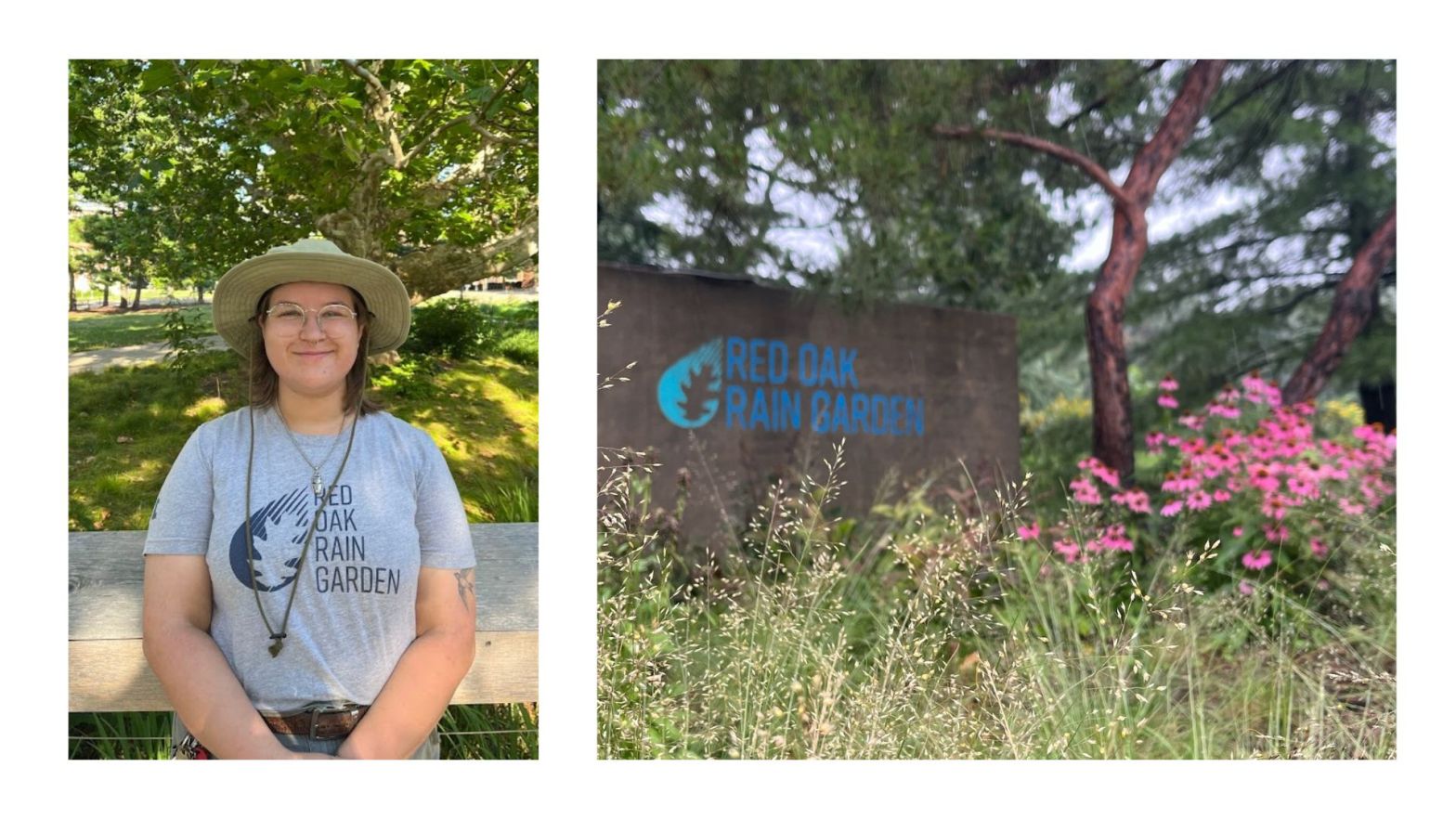
By Maddy Craft, Extension Intern
Another successful summer at the Red Oak Rain Garden has come to an end, and I’m thrilled to have been part of it once again. This summer started with significant changes for me, most notably graduating with high honors in May with a BS in Sustainable Design and minors in Landscape Studies and Natural Resource Conservation. After 16+ years in school, it felt strange not returning this fall. However, my role as an Extension Intern and RORG Volunteer Coordinator this summer provided a smooth and valuable transition. I worked on many projects that have supported my growth as a sustainable designer while contributing to Extension.
Workdays
My largest objective was to continue planning and executing weekly garden workdays. Each week, I inspected the garden to see what maintenance needed to be done to keep the Red Oak Rain Garden beautiful and functional. With the assistance of Director Eliana Brown and Assistant Director Layne Knoche, we discussed the timeline of certain maintenance tasks, such as mulching, deadheading, sedge trimming, and others, to ensure everything was in order.
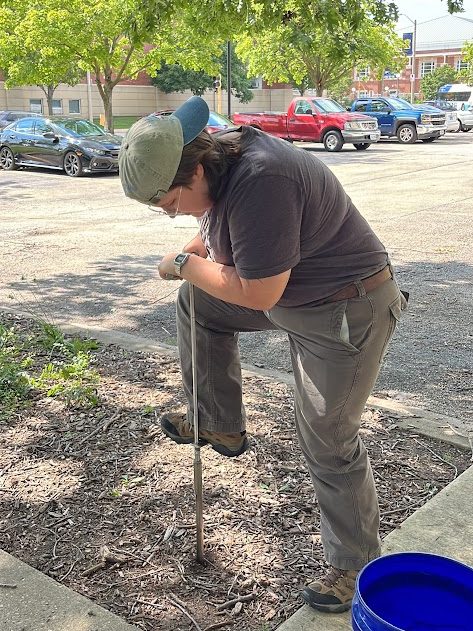
Our weekly workdays typically include mini-lessons. Occasionally, we invite guests to give them, like Environmental and Energy Stewardship Educator Karla Greisbaum, who taught us about microbial ecology earlier this summer. During the other weeks, I gave mini-lessons ranging in topic from specific plant spotlights to soil testing and beyond. I always have a wonderful time during our workdays where I spend time teaching and learning from our volunteers.
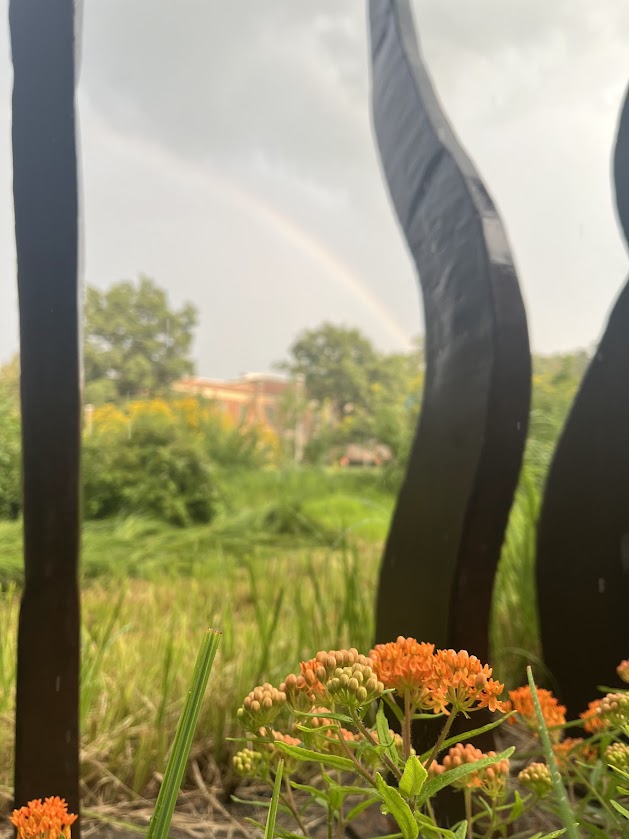
As our RORG friends know, one of the more tedious maintenance tasks for green stormwater infrastructure is weeding. Happily, we have had to weed much less this year than in previous years. This is great news, as our groundcover layer of grasses, sedges, and other plants are filling in and shading out those pesky weed seeds, not allowing them to germinate. This development is especially gratifying after the severe drought conditions we experienced during the summers of 2022 and 2023. Now, it’s wonderful to see the plants growing bigger and greener than ever before.
As the plants in the garden continue to mature, their root systems become more extensive, enhancing their ability to infiltrate stormwater into the soil. I witnessed this firsthand during and after rainfall events while documenting information for our records and gathering footage for our social media. Earlier this summer, RORG experienced its largest rainfall since the renovation (3.5″), and it was remarkable how quickly the water infiltrated—there was barely anything to see. It has been amazing to watch the garden grow and improve over time.
Plant Trial Protocol
This summer, I developed a plant trial protocol focused on rain garden species for the Red Oak Rain Garden. The trial’s objectives are to gather insights into the growing conditions, dispersal patterns, and maintenance needs of ten carefully selected rain garden plants within RORG. As a demonstration garden, RORG serves as an educational resource, helping Extension inform the public about these plants and how they can be used in green infrastructure projects. Currently the protocol is under review by Extension Horticulture Educators and the trials are expected to begin next year.
Tours
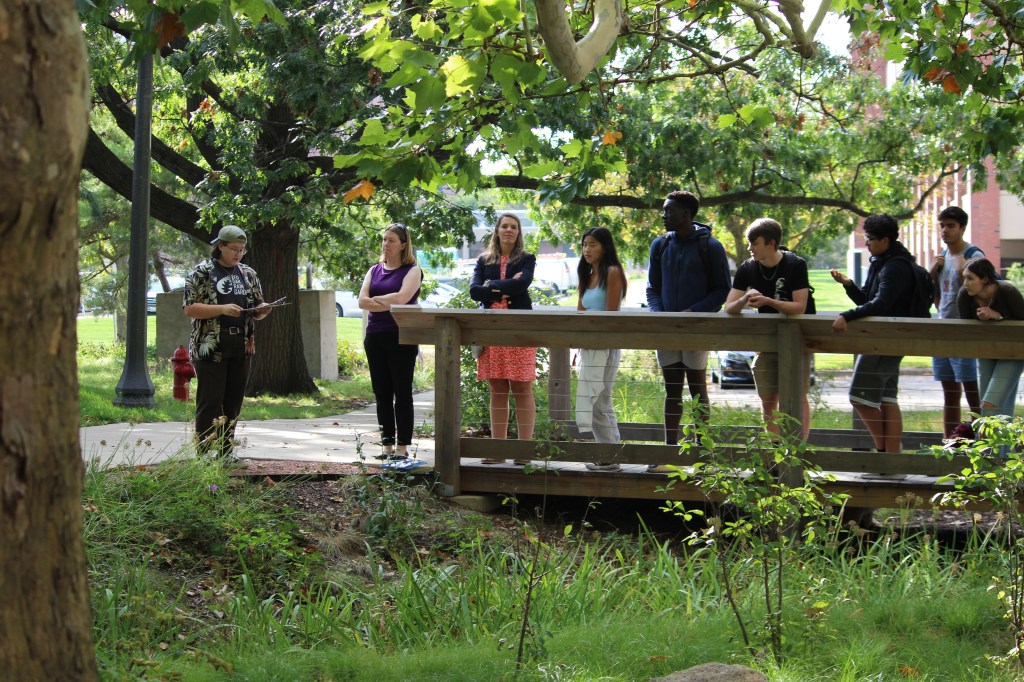
I, along with RORG’s Student Engagement Coordinator Erin Schimenti, have been able to show off the success of the garden to many groups of people this summer through the tours we give. From students and staff to community members or people from hundreds of miles away, Erin and I have been improving our tour skills and helping others learn about RORG and the overwhelming benefits of green stormwater infrastructure. Giving tours to people interested in learning about us is always fantastic.
iNaturalist Biodiversity Project
Finally, another exciting project I worked on this summer is the RORG Biodiversity Project on iNaturalist. This platform allows people to identify and upload photos of plants, animals, fungi, and more to its database. To date, we have nearly 230 observations, including about 150 species, making it a big success! Whenever I am at RORG, I have my camera ready to capture photos of interesting bees, wheel bugs, or plants I haven’t seen before. This iNaturalist project helps our team understand and showcase the garden’s biodiversity, which is crucial for the success of green stormwater infrastructure. It’s also a fun way to learn more about our local biodiversity, which is why it’s one of my favorite activities.

Conclusion
Marking my fourth year with RORG this fall, I’m thrilled to continue expanding my knowledge of green stormwater infrastructure and sharing it with communities across the state. While RORG enjoys a peaceful summer in the absence of Illinois’ usual student population, it will be bustling again when they return for the school year. This time, I will experience it from a new perspective—not as a student, but in an Extra Help Extension position! I am forever grateful for reaching out to Eliana and Layne in the fall of 2021 to start volunteering with the Red Oak Rain Garden as part of the James Scholar Program. Without their guidance, effort, and belief in me, I wouldn’t be where I am today.
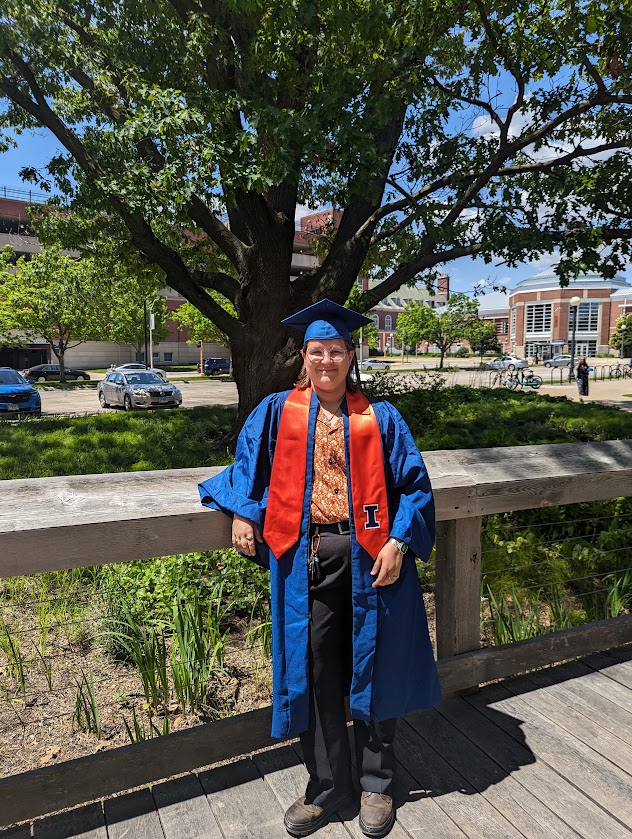
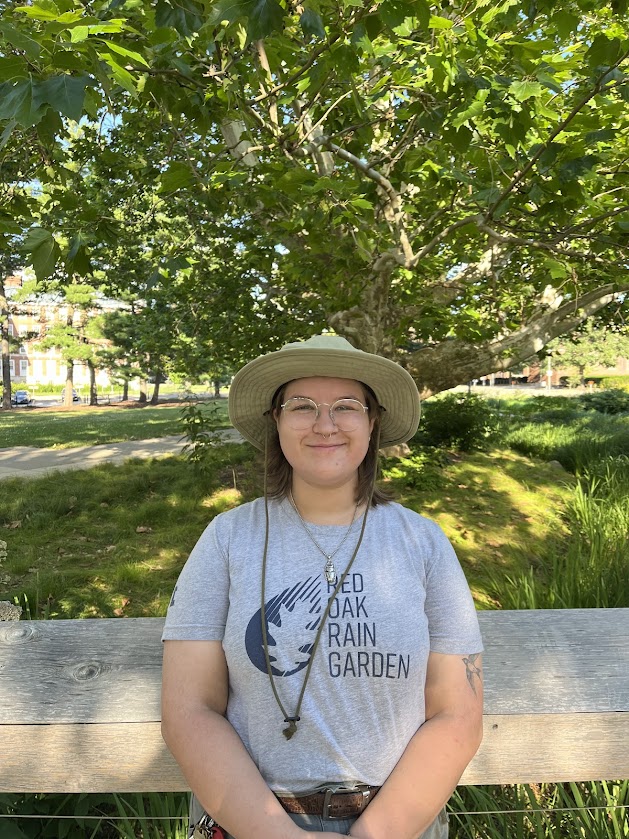
Madelyn Craft is a recent graduate of the University of Illinois, majoring in Sustainable Design with minors in Landscape Studies and Natural Resource Conservation. She is most interested in native plants, environmental restoration, and green infrastructure. She is pursuing a career in urban landscape restoration with the hopes that she can design landscapes that are both aesthetically pleasing and environmentally beneficial to help create healthier communities.
 Red Oak Rain Garden