

By Maddy Craft, RORG Student Team
Welcome to Scandinavia!
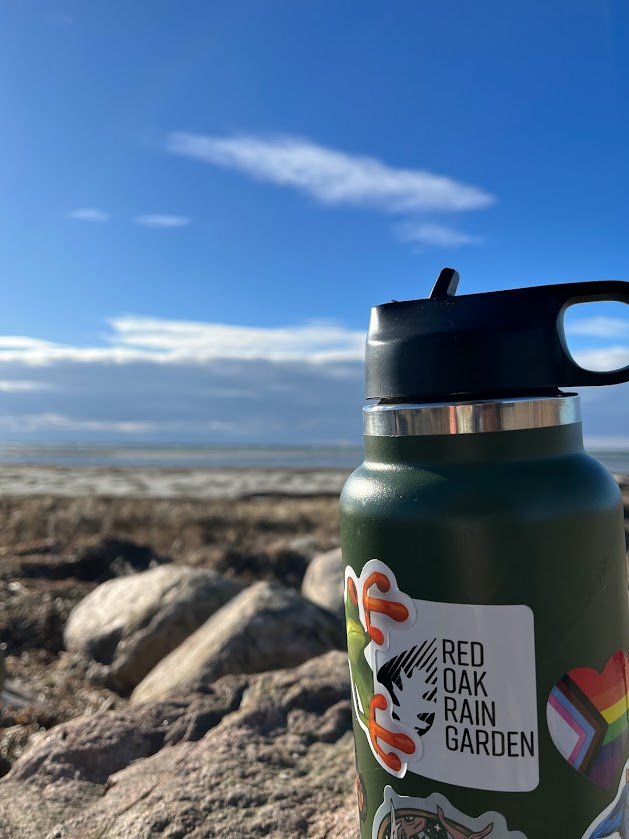
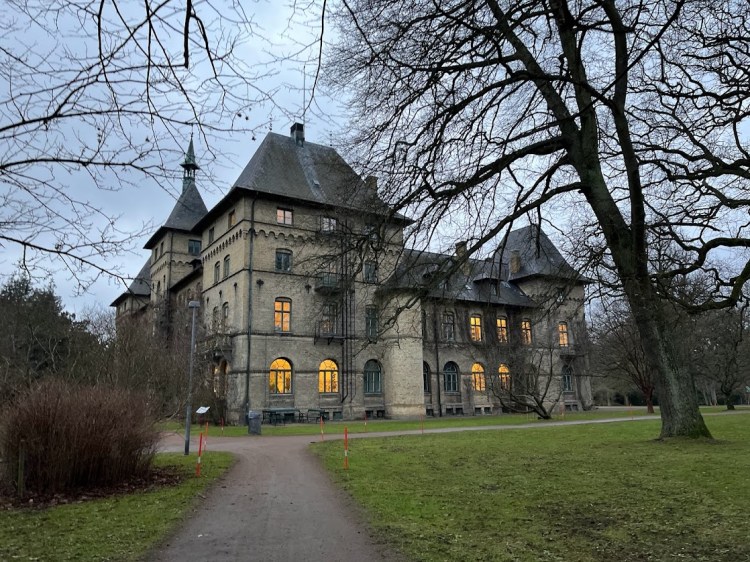
Since I began my journey as a Sustainable Design student, I have always enjoyed the idea of studying abroad. Even back when I started volunteering at RORG in 2021, I wondered what sustainable landscape designs looked like around the world. So, when the opportunity arose, I knew I wanted to travel to one of the most sustainable countries in the world. During the Spring 2023 semester, I spent two months studying abroad in Sweden at the Swedish University of Agricultural Sciences (SLU). SLU is in Alnarp, which is a tiny campus town just north of the city of Malmö, located at the southern tip of Sweden.
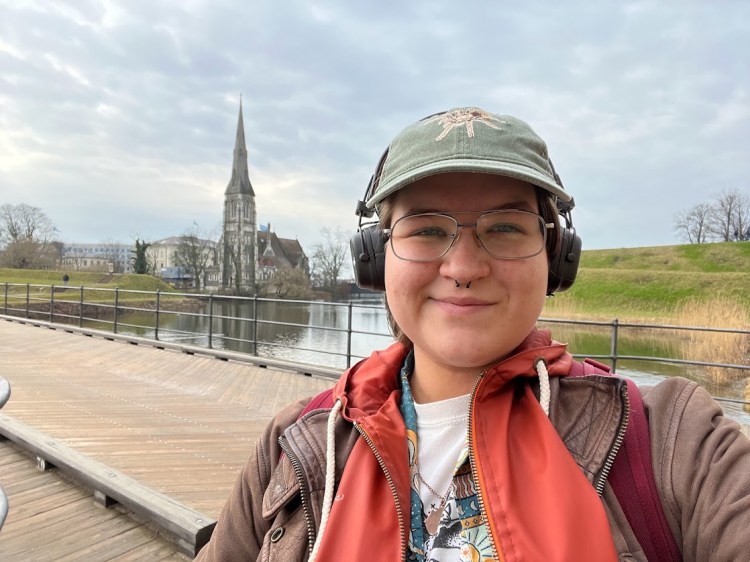
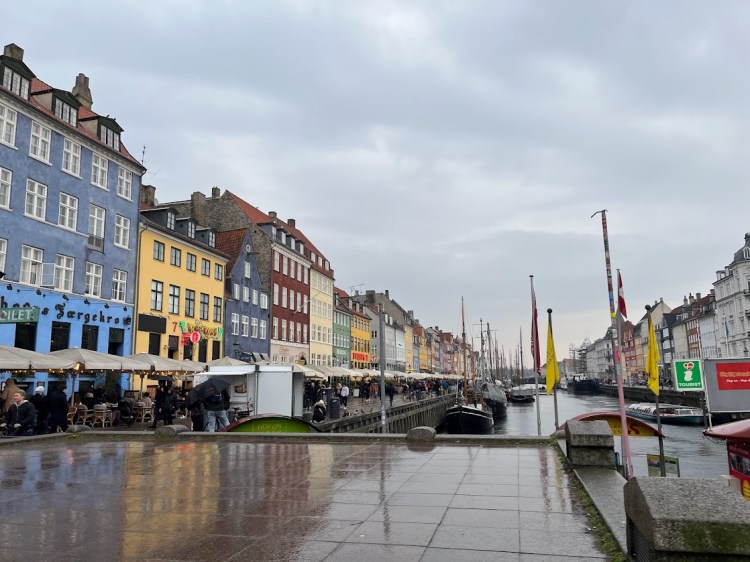
Besides Sweden, I also visited Copenhagen, Denmark while I was across the pond. Of course, the days that I visited were very rainy, which seems to be up to par with the average weather there. I still had so much fun walking around for miles and miles exploring the city.
During my time there, I tested my design skills and interpersonal skills while learning, exploring, and admiring all I saw in the small bit of Scandinavia that I was able to experience.

The Courses Begin
I took two courses at SLU which is equal to a full courseload of 16 credit hours at UIUC. The courses were named Urban Landscape Design and Urban Ecology for the Development of Sustainable Living. During Urban Landscape Design, we visited Västra hamnen (Western Harbour) in Malmö. Västra hamnen was once an industrial area but has transformed into the first district in Europe that is carbon neutral. They use aquifer thermal energy storage systems for heating and cooling the buildings, and solar and wind energy for everything else. What was interesting to me during my exploration of Västra hamnen was how the district dealt with stormwater.
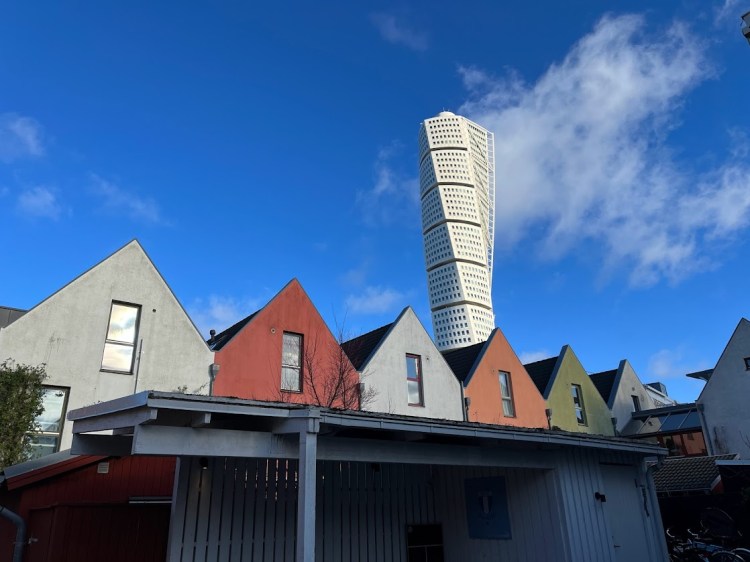
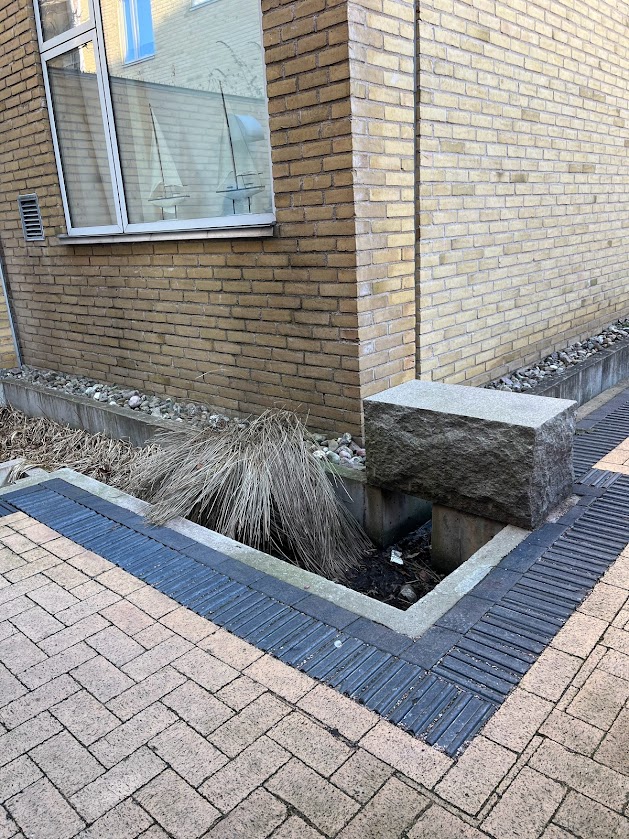
As you can see from the photos, along the edges of the streets were channels where stormwater would flow through. These channels led to different spaces throughout Västra hamnen and then out into the Øresund strait that surrounds Malmö, Copenhagen, and other surrounding coastal areas. These spaces that the channels flowed through were used as gathering and recreation spaces, one was a playground, but others just held benches and other seating arrangements. The channels opened up in these areas to contain plants that I presume would help filter contaminants and beautify these spaces. I was told that quite a bit of the water features were artificial, though, and I did notice the pumps and hoses in some places. Unfortunately, most of my time in Sweden was cold and misty, so I did not get to see these systems in real action with green, blooming plants.
I wonder how contaminated this stormwater gets in the channels, as there is not much, if any, vehicle traffic in this area. Much of the ground was covered in stone so there is minimal erosion but also nowhere for the water to get soaked up. The accessibility issues came to mind as I walked around this neighborhood as well. While some of the channels were covered with grates, much of them were not. Wheelchairs, bikes, strollers, and people using other modes of transportation must be quite careful getting through here. Misstep and you can fall in the 6-inch wide and foot-deep channels!
Overall, I thought Västra hamnen was really cool, and so interesting to witness how they designed the district, the homes, and the infrastructure around it. I hope it is a learning opportunity, like how the Red Oak Rain Garden is, for other places to be inspired to do similar, and maybe even better things.
The Final Project
In my Urban Landscape Design course, our final project was to create a biophilic design to be situated in Brunnshög, an up-and-coming district in northeast Lund, about a half-hour train ride from Alnarp. We visited the site, made sketches, and decided on our specific sites within the southern part of Brunnshög. Then we made rough models of the buildings and the general shape of our designs to gather more information on the site and if our designs were headed in the right direction. After so much more sketching, researching the site and plants, and exploring how I could make a useful green, biophilic space, I finally settled on a design and had to present it to my classmates and professors.
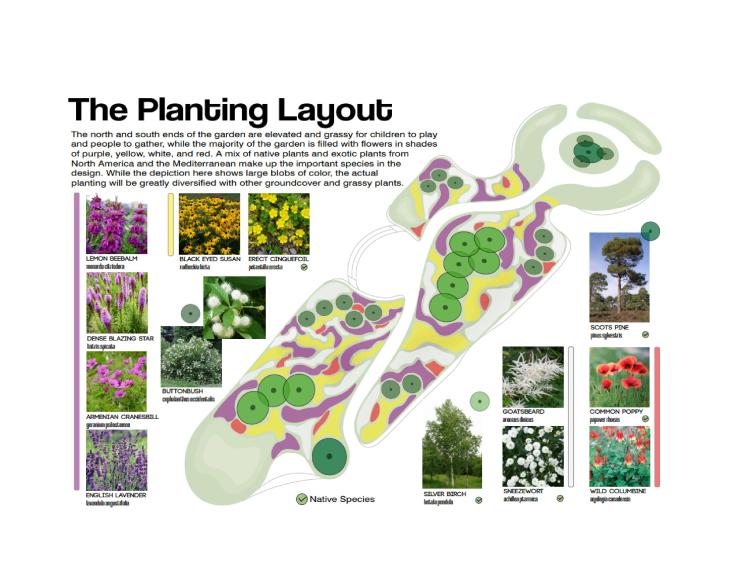
And my design was well received! When we toured southern Brunnshög, one of my professors told us about the flooding problems that are worsening in the lower parts of Lund, due to the development of Brunnshög, which was once an open green space. Instead of that space once being able to hold a lot of stormwater, it is now running down to the lower elevated parts of Lund and flooding the historical areas. Once I heard that, I knew my site had to have a rain garden. The specific site of my design was also lacking any kind of green community space, which my design incorporates as well. While I was concerned about my planting choices, as I had no clue about planting anything in Sweden, after researching growing zones, natives, and invasives, and talking with the landscape designer involved with the course, I came up with some of the key species that were planned to be in the design (some of which you Illinois native plant enthusiasts should know!). My professors commended my work and loved that my design had an environmental and societal purpose. I have the Red Oak Rain Garden and its team to help thank for that. It was the first real design I had ever made, and although I knew it was not going to go to fruition, I had such a great time creating it.
My Takeaways from Studying Abroad
My experiences of studying abroad were unforgettable and I am forever grateful that I was able to enjoy life in such a different, eye-opening way. I learned so much about the world and about myself while abroad, and I am excited to bring these new ideas back to Illinois, RORG, and my life here. I am more confident in myself after having to handle traveling around a foreign country alone with no usable phone more than a few times. I am more open-minded to different ideas after knowing nothing about anything and learning how to do it all differently. I am excited to come back to UIUC and RORG this fall with this new knowledge I have to see how I can use it to help my life and the things I love, like RORG.
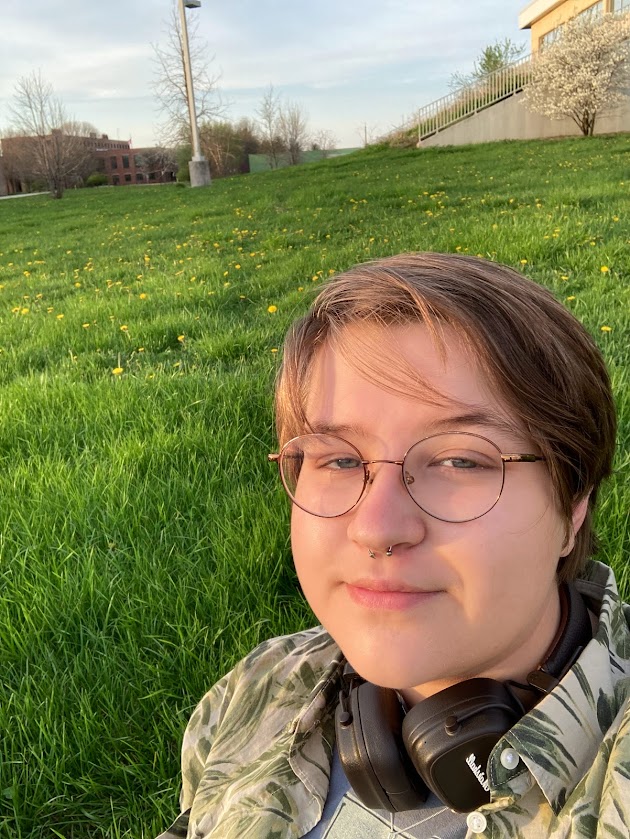
Madelyn Craft is an incoming senior at the University of Illinois, majoring in Sustainable Design with minors in Landscape Studies and Natural Resource Conservation. She is most interested in native plants, green infrastructure, and environmental restoration. She is pursuing a career where she can implement aspects of both green infrastructure and landscape restoration into creating urban spaces that are both aesthetically pleasing and environmentally beneficial in the hopes of building healthier communities. In her free time, she enjoys birdwatching and reading.
 Red Oak Rain Garden
One thought on “RORG Intern Travels: Maddy in Sweden”
Comments are closed.